

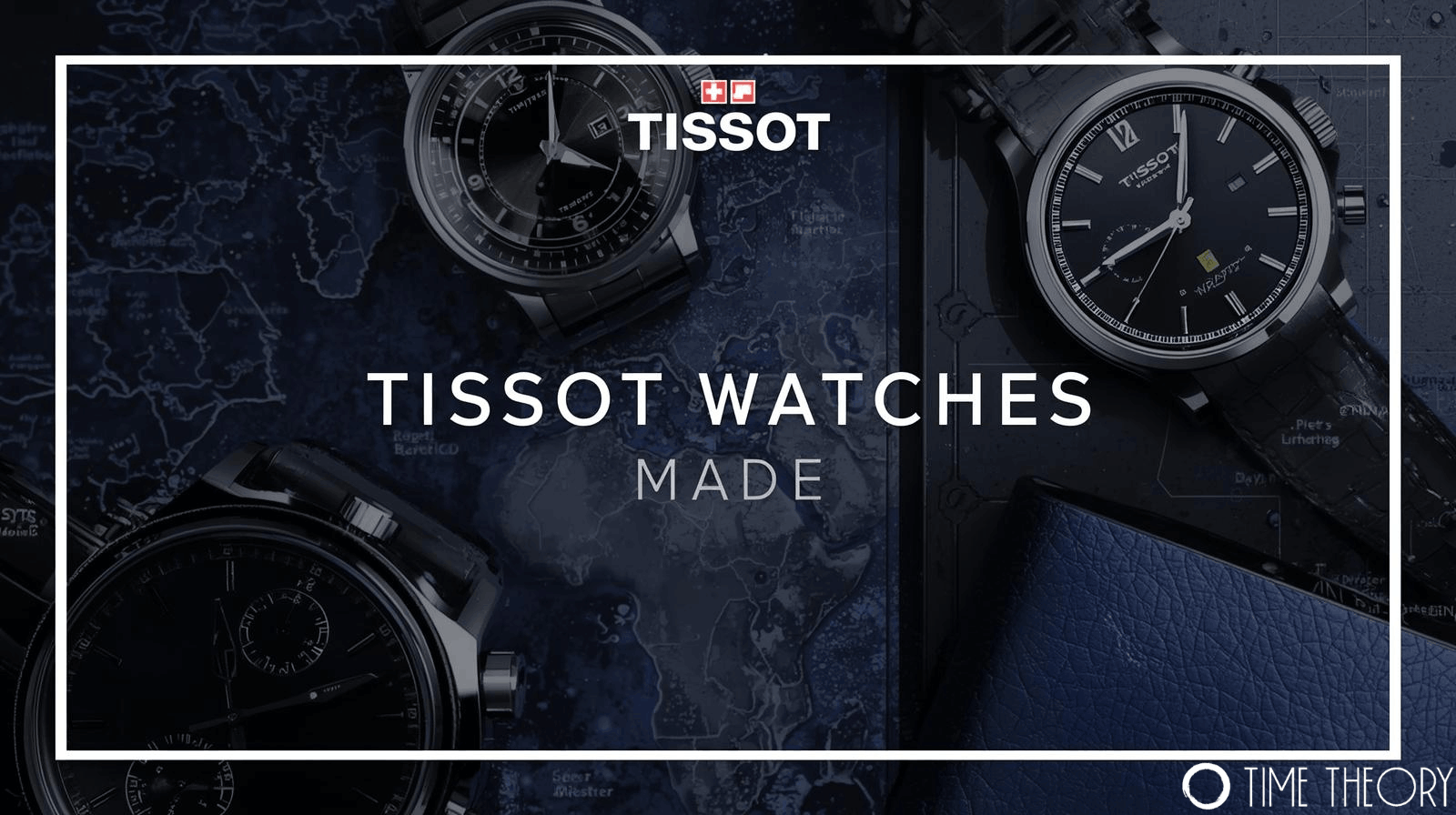
 If you have ever looked closely at a Tissot dial, you will likely see the words “Swiss Made” sitting proudly at the six o’clock mark. But for discerning collectors and new buyers alike, the question often goes deeper than a simple label. Where are Tissot watches made, specifically?
The short answer is Le Locle, Switzerland. However, understanding exactly what that label means requires a closer look at Swiss regulations and Tissot’s own manufacturing processes.
The Heart of Production: Le Locle, Switzerland
Tissot was founded in 1853 in Le Locle, a town nestled in the Jura Mountains. This region is often called the cradle of Swiss watchmaking. Today, Le Locle remains the company’s headquarters and primary manufacturing hub.
When you ask, “Where are Tissot watches made?”, Le Locle is the geographic answer. This location houses their main facilities where assembly, quality control, and final inspection occur. The brand’s identity is deeply rooted in this Swiss heritage, operating under the umbrella of the Swatch Group, the powerhouse corporation who makes Tissot watches today.
Decoding the “Swiss Made” Label
You might wonder, are Tissot watches Swiss made in the eyes of the law? Yes, they are. But “Swiss Made” is a legal standard, not just a geography lesson.
For a watch to carry this prestigious label, it must meet specific criteria set by the Swiss Federal Council:
- Movement: The movement (the internal mechanism) must be Swiss.
- Assembly: The movement must be cased up in Switzerland.
- Inspection: The final inspection must happen in Switzerland.
- Value: At least 60% of the manufacturing costs must be generated in Switzerland.
Tissot strictly adheres to these regulations. While they are a high-volume manufacturer, they ensure that the critical steps of assembly and testing happen within Swiss borders to maintain the quality associated with the label.
Are All Tissot Watches Made in Switzerland?
This is a common point of confusion. Are all Tissot watches made in Switzerland entirely from scratch? Not necessarily. The 60% rule mentioned above allows for some components to be sourced internationally.
While the movements (often from ETA, a sister company within the Swatch Group) are Swiss, and the final assembly is Swiss, specific non-movement parts like bracelets, dials, hands, or cases might be sourced from external suppliers to keep costs accessible.
So, while the watch is legally and functionally Swiss, the global supply chain plays a role in the production of individual components before they reach Le Locle for assembly.
Addressing the Myths: Are Tissot Watches Made in China?
A frequent query from skeptical buyers is: are Tissot watches made in China?
Tissot does not manufacture complete watches in China. The watches are assembled and inspected in Switzerland. However, like many “Swiss Made” brands in the entry-to-mid-level luxury segment, some external components (like packaging, straps, or specific case elements) might be sourced from facilities in Asia, including China.
It is crucial to distinguish between sourcing components and manufacturing watches. The heart of the watch—the movement—and the skilled labor of assembly remain firmly Swiss. If a Tissot watch were fully made in China, it could not legally display “Swiss Made” on the dial.
Who Makes Tissot Watches?
Tissot is a subsidiary of the Swatch Group. This is the world’s largest watch manufacturing group, which also owns heavy hitters like Omega, Longines, and Breguet.
Being part of this group gives Tissot access to high-quality Swiss movements from ETA Valjoux. This vertical integration allows Tissot to offer reliable Swiss mechanics, such as the Powermatic 80 movement, at a price point that independent brands struggle to match.
Frequently Asked Questions
Where are Tissot watches made exactly?
Tissot watches are primarily assembled and inspected at their headquarters in Le Locle, Switzerland.
Are Tissot watches truly Swiss made?
Yes, they meet all legal requirements set by the Swiss Federal Council to carry the “Swiss Made” label.
Does Tissot use Chinese parts?
Some external components like bracelets or cases may be sourced internationally, including from Asia, but the watch is assembled in Switzerland.
Who owns the Tissot brand?
Tissot is owned by the Swatch Group, a major Swiss watchmaking conglomerate.
Is the Tissot movement Swiss?
Yes, Tissot generally uses Swiss movements provided by ETA, a sister company within the Swatch Group.