

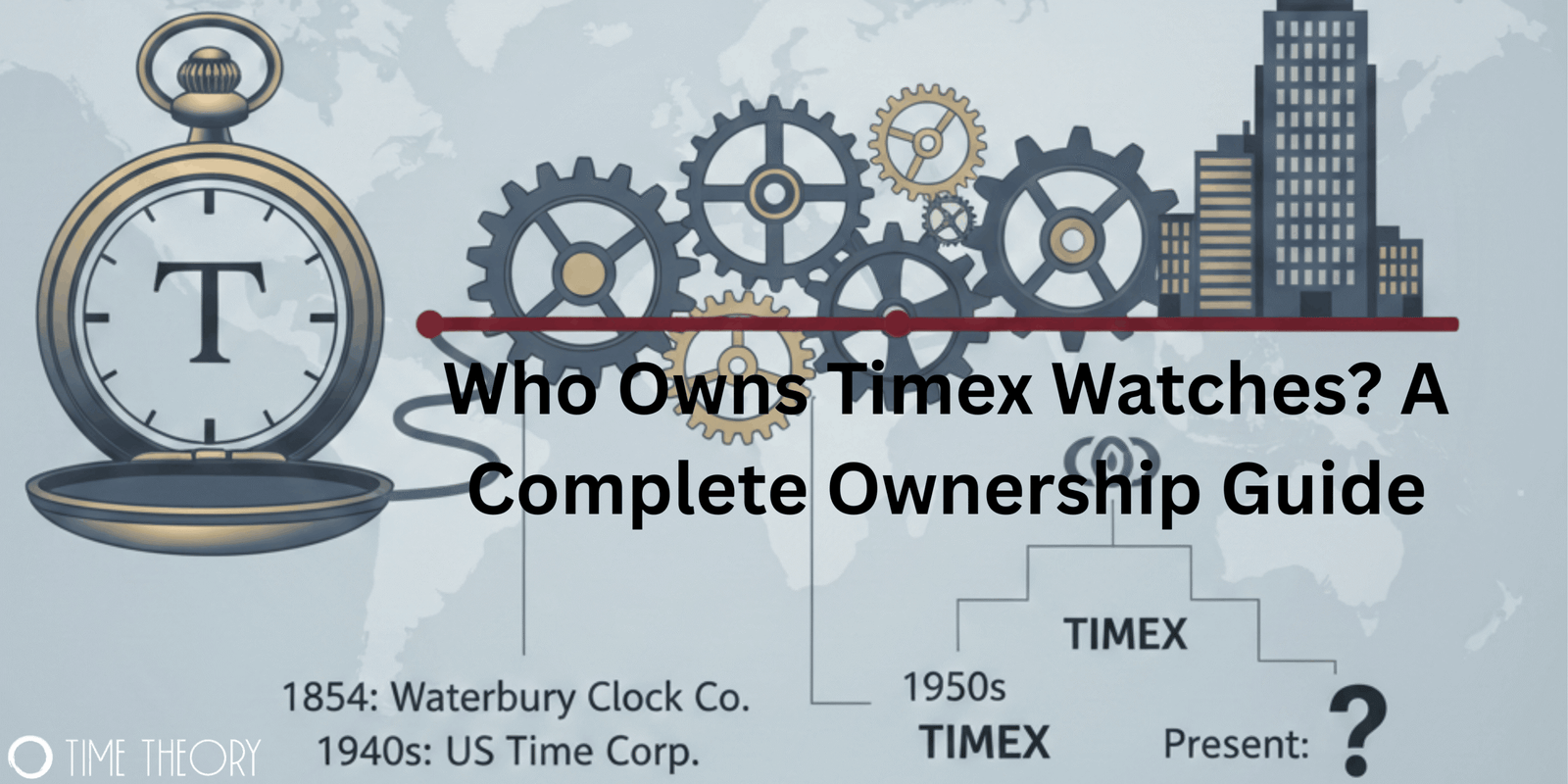
 For over a century, Timex has been a household name, known for affordable durability and classic American style. Yet, despite its ubiquity on wrists worldwide, the corporate structure behind the brand often remains a mystery to consumers. If you’ve ever wondered who owns Timex watches, you aren’t alone. The answer involves a private European conglomerate, a history of strategic evolution, and a shift away from public trading.
This guide breaks down the current ownership of the Timex Group, traces the company’s corporate lineage, and explains how a Connecticut-born icon ended up in Dutch hands.
The Short Answer: Who Owns Timex Watches?
Timex is currently owned by Timex Group B.V., a private holding company headquartered in Hoofddorp, the Netherlands.
Unlike many major watch brands that are part of massive luxury groups (like Swatch Group or Richemont) or publicly traded corporations (like Fossil Group), Timex operates as a privately held entity. The ultimate parent company is largely controlled by the Norwegian shipping magnate Fred. Olsen and his family.
In 2020, the ownership structure shifted slightly when the Baupost Group, a Boston-based investment firm, acquired a majority stake in Timex Group. This acquisition brought new capital and strategic direction to the brand, though the Olsen family retains a significant interest.
This private structure allows Timex to operate with a degree of agility often lost in public markets, focusing on long-term brand equity rather than quarterly earnings reports.
A Brief History of Timex Ownership
To understand the current state of affairs, it helps to look backward. Timex didn’t start as “Timex.” It began as the Waterbury Clock Company in 1854 in Connecticut.
From Waterbury to Timex
The company evolved through several iterations, including acquiring the rights to produce the first Mickey Mouse watch in the 1930s, which saved it from bankruptcy during the Great Depression. In the 1940s, it was purchased by Norwegian investors Thomas Olsen and Joakim Lehmkuhl, who fled Norway during World War II.
This acquisition pivotal moment established the Olsen family’s long-standing control over the brand. In 1950, the company officially introduced the “Timex” brand, revolutionizing the industry with durable, low-cost mechanical watches.
Restructuring and Global Expansion
Over the decades, the company restructured into Timex Group B.V. to manage its global operations. This Dutch holding company oversees several subsidiaries, including:
- Timex Group USA, Inc. (Middlebury, Connecticut)
- Timex Group Luxury Division (Switzerland)
- Timex Group India Ltd.
This structure allows them to manage various licensing deals for fashion brands like Versace, Ferragamo, and Guess, alongside their core Timex lines.
What Happened to Timex Watches?
If you are wondering what happened to Timex watches in recent years, the answer lies in adaptation. The brand faced significant challenges with the rise of quartz technology in the 70s and, more recently, the smartwatch revolution.
However, rather than fading away, Timex reinvented itself. They:
- Embraced Nostalgia: Reissued classic models like the Q Timex and the Marlin mechanical watch, appealing to vintage enthusiasts.
- Collaborated Strategically: Partnered with brands like Todd Snyder and Supreme to capture a younger, fashion-forward demographic.
- Entered the Smart Market: Developed the Timex Ironman Smartwatch and partnered with Huami to integrate modern tech without losing their identity.
The involvement of the Baupost Group in 2020 was a direct response to these market shifts, providing the necessary funding to push these new initiatives forward.
Why Private Ownership Matters for Timex
The fact that who owns Timex watches is a private group rather than a public board has significant implications for the consumer.
- Creative Freedom: Private ownership allows Timex to take risks on heritage reissues and niche collaborations that might not immediately drive massive profits but build immense brand loyalty.
- Long-Term Vision: The company can focus on sustaining its 165+ year legacy rather than reacting to short-term stock price fluctuations.
- Diverse Portfolio: The group can quietly manage high-end luxury licensing deals (Versace) alongside mass-market accessible watches (Timex Weekender) without diluting the core brand identity.
Frequently Asked Questions
Who currently owns the Timex brand?
Timex is majority-owned by the Baupost Group, with significant interest retained by the Norwegian Olsen family via Timex Group B.V.
Is Timex an American company?
While headquartered in the Netherlands for corporate reasons, its operational base and heritage remain deeply rooted in Middlebury, Connecticut.
Did Rolex ever buy Timex?
No, Rolex has never owned or acquired Timex; they operate in completely different segments of the watch market.
Is Timex publicly traded?
No, Timex Group is a privately held company and does not trade on any stock exchange.
Does Timex manufacture its own movements?
Timex designs its watches in-house but sources movements from various global manufacturers, primarily in Japan and China.
Meta data
Meta title
Who Owns Timex Watches? A Complete Guide to Timex Group B.V.
Meta description
Curious about who owns Timex watches? Discover the role of Timex Group B.V., the Olsen family, and recent investments by the Baupost Group in this guide.